

People don’t remember the TV brand or the size. They remember how the room felt.
Home Entertainment That Fits How You Actually Use Your Home
For many homes, entertainment isn’t limited to one moment or one room. It’s friends gathered for the Super Bowl, family nights during the World Series, casual movie watching after dinner, or background sound during a weekend get-together. Each of those moments asks something different from the space.
A system that works well supports how the room is used, how people sit, how sound travels, and how the space feels when it’s full of people. Bigger screens and louder speakers don’t automatically create a better experience. Comfort, balance, and proper placement matter far more once you live with the system day to day.
At HiDEF of NJ, home entertainment starts with understanding the room and the way it’s used. Living rooms, family rooms, basements, and media spaces all behave differently. This page walks through the most common home entertainment solutions we design and install, each suited to a different type of space and style of viewing, so the setup feels natural whether you’re hosting a crowd or winding down at home.
Get Super Bowl Ready with a System That Runs the Night

Start With the Room, Not the Equipment
Most home entertainment problems don’t come from the equipment itself. They come from skipping the room. Screen size, mounting height, seating distance, sound placement, lighting, and room layout all shape how the system feels once it’s in use. When those factors are ignored, even high-end components can feel uncomfortable or disappointing.
Every room behaves differently. A living room with windows and open walkways requires different decisions than a basement or a dedicated media space. Ceiling height, furniture placement, natural light, and how people move through the room all matter long after installation day. That’s why HiDEF starts with how the space is used, not what’s trending or on sale. We look at where people actually sit, how they watch, how often the room is shared, and what the space needs to support on a daily basis. The goal is a setup that feels natural to live with, not one that looks good only in photos.
When the room leads the decision-making, everything else falls into place more easily and the system works the way it should, every time it’s turned on.
Common Home Entertainment Setups We Design in New Jersey Homes
Not every room needs the same solution. A system that works well in one space can feel out of place in another. Over the years, we’ve found that most homes fall into a few common patterns based on how rooms are used, how people gather, and how often the system is shared. Rather than forcing a one-size-fits-all approach, HiDEF designs entertainment systems around these real-world scenarios. Each setup solves a different problem, but they all follow the same principles: proper scale, thoughtful placement, clean installation, and long-term comfort.
Below are the most common types of home entertainment systems we design and install across New Jersey homes. Each one is tailored to the room it lives in and the way it’s actually used—whether that’s hosting friends for a big game, watching movies with family, or simply enjoying everyday television without distractions.

TV Size & Mounting That Belongs in the Room
A TV should feel like it fits the space it’s in. Too large, and it dominates the room. Too small, and it feels disconnected from how the space is used. Mounting height matters just as much, especially for everyday viewing.
HiDEF designs TV installations around real seating positions and sightlines. Screen size is selected based on where people sit, and mounting height is set for comfortable viewing without strain or glare. Wiring, power, and audio placement are planned before installation so the finished setup looks clean and intentional.
This setup prioritizes:
-
Screen size based on seating distance
-
Mounting height aligned with seated viewing
-
Concealed wiring and proper power placement
-
Audio placement planned alongside the TV
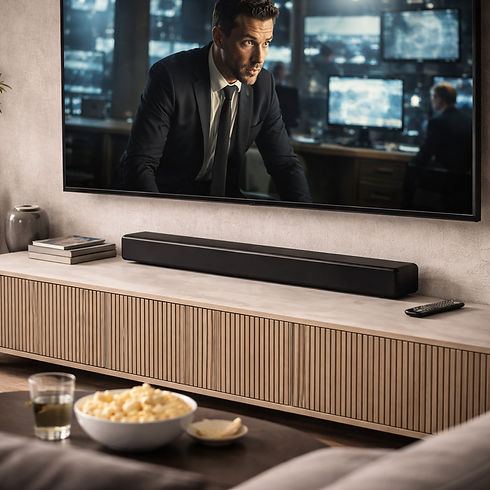
Soundbars Tuned for Everyday Listening
Clear dialogue is what makes a system enjoyable day to day. When voices are difficult to hear, even casual viewing becomes frustrating. Soundbars work well when they are properly sized, positioned, and adjusted for the room they’re in.
HiDEF focuses on balance and clarity rather than volume. Soundbars are selected based on room size and placement options, then positioned so they can perform properly. Basic tuning ensures dialogue remains clear without constant volume adjustments or overpowering effects.
This setup prioritizes:
-
Clear dialogue at normal listening levels
-
Proper placement below the display
-
Soundbar selection matched to room size
-
Simple integration with existing remotes

Surround Sound That Feels Natural in the Space
Surround sound should enhance the room, not call attention to itself. When speakers are placed correctly and tuned properly, the experience feels immersive without being distracting or overwhelming.
HiDEF designs surround sound systems based on the room’s layout and how it’s actually used. Speaker placement, center channel clarity, and system balance are handled with everyday viewing in mind, not just high-impact scenes. The goal is an experience that feels consistent and comfortable.
This setup prioritizes:
-
Clear center channel for speech
-
Speaker placement based on room geometry
-
Balanced surround effects without excess volume
-
Straightforward control for daily use
Large Screens and Projectors Planned With Care
Larger displays change how a room feels. When planned carefully, they create a cinematic experience. When rushed, they can overwhelm the space or introduce usability issues.
HiDEF helps homeowners choose between large-format TVs and projection based on lighting conditions, seating distance, and how the room is used throughout the day. Screen size, placement, cabling, and power are planned together so the room remains comfortable and uncluttered.
This setup prioritizes:
-
Guidance between TVs and projection
-
Performance matched to room lighting
-
Screen size aligned with seating distance
-
Clean installation with minimal visual impact

Why Professional Design Makes the Difference
Home entertainment systems rarely fail because of the equipment, they fail because the room wasn’t considered early enough. Screen height, seating distance, speaker placement, lighting conditions, wiring paths, and control all affect how a system feels once you live with it. These details are difficult to fix after the fact, and small missteps can turn even quality components into a daily annoyance.
Professional design brings these decisions forward. Instead of reacting to problems later, the system is planned around how the space works from the beginning. That means fewer compromises, cleaner installation, and results that feel natural rather than forced. At HiDEF of New Jersey, every project starts with the room and how it’s used. Living spaces, family rooms, basements, and dedicated media areas all behave differently, and the design accounts for that before equipment is selected. Installation is handled by factory-trained technicians, with attention to mounting, wiring, calibration, and long-term reliability.
If you’re feeling unsure about which setup makes sense, or you want confirmation before committing to a direction, we’re always available to help you think it through. Clear guidance early on is what prevents costly changes later — and ensures the system fits your home, not just the spec sheet.
No pressure, just clear guidance from people who do this every day.