
Planning Your Outdoor Lighting: What to Think About Before You Install

Updated: Jan 21

Visit our landscape lighting NJ page
Outdoor lighting works best when it’s planned, not pieced together. Before fixtures are chosen or wiring is discussed, it helps to step back and think about how your home is used after dark—how people arrive, where they move, and which areas should quietly stand out versus fade away.
This guide walks through the key considerations that shape a successful outdoor lighting project. Not product lists or trends, but practical decisions that affect comfort, durability, and how the space feels night after night. Whether you’re starting fresh or refining an existing system, thoughtful planning upfront leads to results that feel intentional rather than overdone.
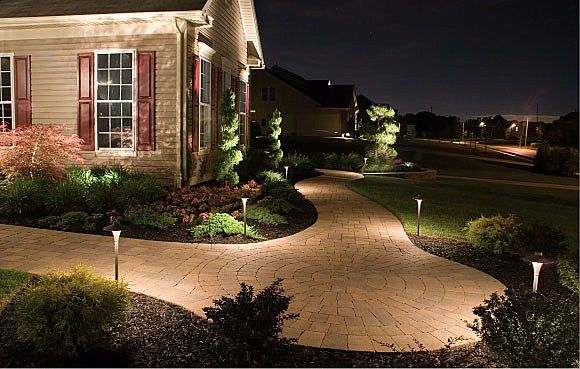
Common Outdoor Lighting Mistakes to Avoid
Most lighting problems don’t come from bad fixtures. They come from rushed decisions made before the system is fully planned.
One of the most common mistakes is treating each area separately. Adding lights one zone at a time often leads to uneven results, bright spots in one area and darkness in another. A cohesive plan prevents this by considering the property as a whole from the start.
Another issue is over-illumination. More light doesn’t automatically mean better results. Too much brightness flattens textures, creates glare, and makes outdoor spaces feel harsh instead of welcoming. Subtlety almost always delivers a better experience after dark.
Fixture placement is another frequent problem. Lights installed too close together or aimed without intention can draw attention to the hardware instead of the space. When placement is thoughtful, the fixtures disappear and the environment takes focus.
Finally, skipping environmental considerations can shorten the life of a system. Moisture exposure, soil conditions, and proximity to water all affect performance. Choosing fixtures with appropriate protection ratings from the beginning helps avoid premature failure and unnecessary replacement.
Avoiding these mistakes early allows the system to feel balanced, comfortable, and durable over time.
Understanding Fixture Protection & IP Ratings
Outdoor fixtures live in real conditions—rain, moisture, soil, temperature swings, and seasonal debris. How well a fixture holds up over time depends less on appearance and more on how it’s sealed.
This is where protection ratings matter.
Ingress Protection (IP) ratings indicate how resistant a fixture is to dust and water. The higher the rating, the better the fixture is suited for demanding outdoor environments. Not every location requires the same level of protection, which is why fixture selection should always match placement.
For example, a fixture mounted under an eave faces very different exposure than one installed near grade or placed in soil. In-ground fixtures, wall-mounted fixtures, and fixtures near water features all require different levels of sealing to perform reliably.
Choosing a fixture with an insufficient rating can lead to corrosion, moisture intrusion, and early failure—even if the fixture looks premium on day one. Selecting the correct rating from the start protects the system and reduces long-term maintenance.
If you’d like a deeper explanation of how these ratings work and which environments require higher protection, we’ve put together a detailed guide explaining IP ratings for exterior fixtures.

Using Accent Lighting Without Overdoing It
Accent lighting works best when it’s selective. The goal is not to highlight everything, but to guide the eye toward what already gives the property character.
A common mistake is adding accents too evenly across a space. When every tree, wall, or feature is treated the same, nothing stands out. The result feels busy rather than intentional.
Well-designed systems focus on contrast. One or two elements become focal points, while surrounding areas remain quieter. This creates depth and visual rhythm instead of uniform brightness.
Restraint also applies to intensity. Strong output isn’t required to make an impact. In fact, softer emphasis often reads as more refined, allowing textures and forms to reveal themselves gradually after dark.
The most successful designs feel almost invisible. You notice the effect, not the source. When done properly, accent lighting blends seamlessly into the overall system and supports the space rather than competing with it.
👉 Read: Landscape Lighting Accents: How Subtle Light Shapes Your Outdoor Spaces

Maintenance, Adjustability & Long-Term Performance
Outdoor lighting isn’t a set-it-and-forget-it upgrade. Landscapes grow, materials shift, and how you use your property changes over time. A well-planned system accounts for that from the beginning.
Fixtures should be adjustable, not locked into a single position. Trees mature, plantings fill in, and what looks perfect today may need refinement a few seasons from now. Systems designed with adjustability allow small changes without starting over.
Maintenance matters as well. Even high-quality fixtures benefit from occasional cleaning, alignment checks, and output adjustments. When systems are designed properly, this upkeep is simple and predictable—not disruptive or expensive.
Long-term performance comes down to smart choices made early: appropriate protection ratings, thoughtful placement, and components designed for outdoor conditions. These details determine whether a system quietly performs year after year or becomes a source of frustration.
When lighting is planned as part of the property—not added on later—it stays reliable, adaptable, and visually consistent as the home evolves.
When It Makes Sense to Work With a Professional
Outdoor lighting decisions add up quickly. Fixture types, placement, protection ratings, and long-term performance all interact, and it’s easy for a well-intended project to become more complicated than expected.
If you find yourself unsure where to start, or second-guessing how everything fits together, that’s usually the right moment to bring in a professional. Not to oversell the system, but to simplify it.
An experienced designer looks at the property as a whole. They consider how people arrive, how spaces are used after dark, and how the environment will change over time. The goal isn’t more equipment—it’s fewer mistakes and better results.
Whether you’re planning a new system or refining an existing one, having expert guidance can save time, reduce rework, and lead to a result that feels balanced instead of busy.
If you’d like help thinking it through, we’re always happy to start with a conversation.
Explore more landscape lighting resources:
Landscape Lighting Accents: How Subtle Light Shapes Your Outdoor Spaces
HiDEF
47 Broad St.
Red Bank NJ 07701


Comments